
What Research Says about Touchstones
Touchstones has more than 40 years of research of every variety on the academic, social-emotional, and engagement benefits of its programs. This page provides you with links to our “greatest hits” in research in each of our program areas. We’ll continue to update this page as we receive new data from independent researchers.
Click on any article to read the full text.
K-12 Research
1. Curricula Analysis and Program Description
Topic
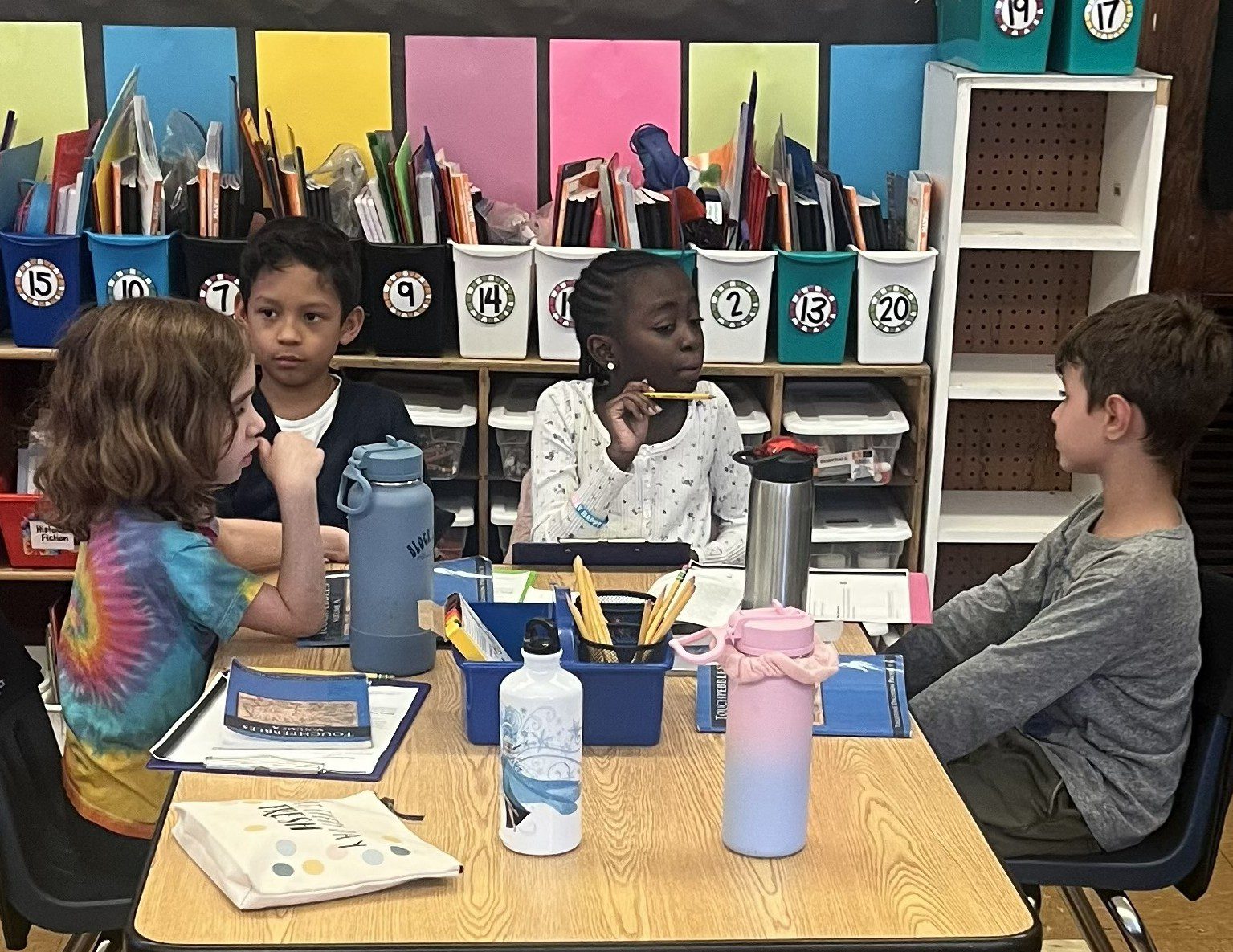
Delaware Education and Research Development Center. (2009). Touchstones evaluation report. University of Delaware.
Researchers at the University of Delaware analyzed the Touchstones curriculum for its effect on teacher skills and student skills in varius domains.
2. Reading and Critical Thinking
SEED Charter School. (2004). Touchstones at SEED Public Charter School: Evaluation Summary Based on Critical Reading and Thinking Tests and Teacher Questionnaire. Unpublished internal data.
Students showed significant improvement in all areas after implementation of Touchstones in a Washington DC charter school. The quality and depth of student answers (particularly an increase in their supporting their opinions with examples and explanation) accounted for a large part of the increase.
This study shows that the reading test scores in grades 9-11 rose an average of 15-25% as a result of Touchstones implementation. The data show that students were less likely to leave any answers blank on the post test, which suggests that students are more willing to offer answers and opinions after a year of Touchstones discussions.
3. Dialogue and Community Building
Purser, M., (2019, March). Pump up the volume: Amplifying student dialogue in 21st century ELL classrooms. Doctoral dissertation, East Carolina University.
This project aimed to create a new, equitable classroom environment for ELL students at the Thai Chinese International School by implementing Touchstones. The study revealed that middle school ELL students fostered relationships, improved academic interaction, and showed deeper understanding of literary content.
Miller, S. (1990, April). Critical thinking in classroom discussion of texts: An ethnographic perspective. State University of New York–Albany. Paper presented at the Annual Meeting of the American Educational Research Association, Boston, MA.
This study used Touchstones to examine the collaborative learning in text discussions over time to address three questions:(1) How does classroom social context affect student thinking and collaboration? 2) How do students collaborate to develop interpretations of texts? and 3) To what extent are critical thinking and collaboration evident in discussion? Major positive changes in case-study classes occurred after six months of discussion.
4. SAT Preparation
Guyot, J. (2010). Touchstones discussions and target practice as enhancers of SAT critical reading scores. Data courtesy of School of Public Affairs, Baruch College CUNY.
In this study, over a two-year span, the SAT test scores of Myanmar students who used the Touchstones SAT Preparation for Critical Reading volume increased an average of 40.16 points from an initial average score of 494.84.
Higher Ed Research
Topic
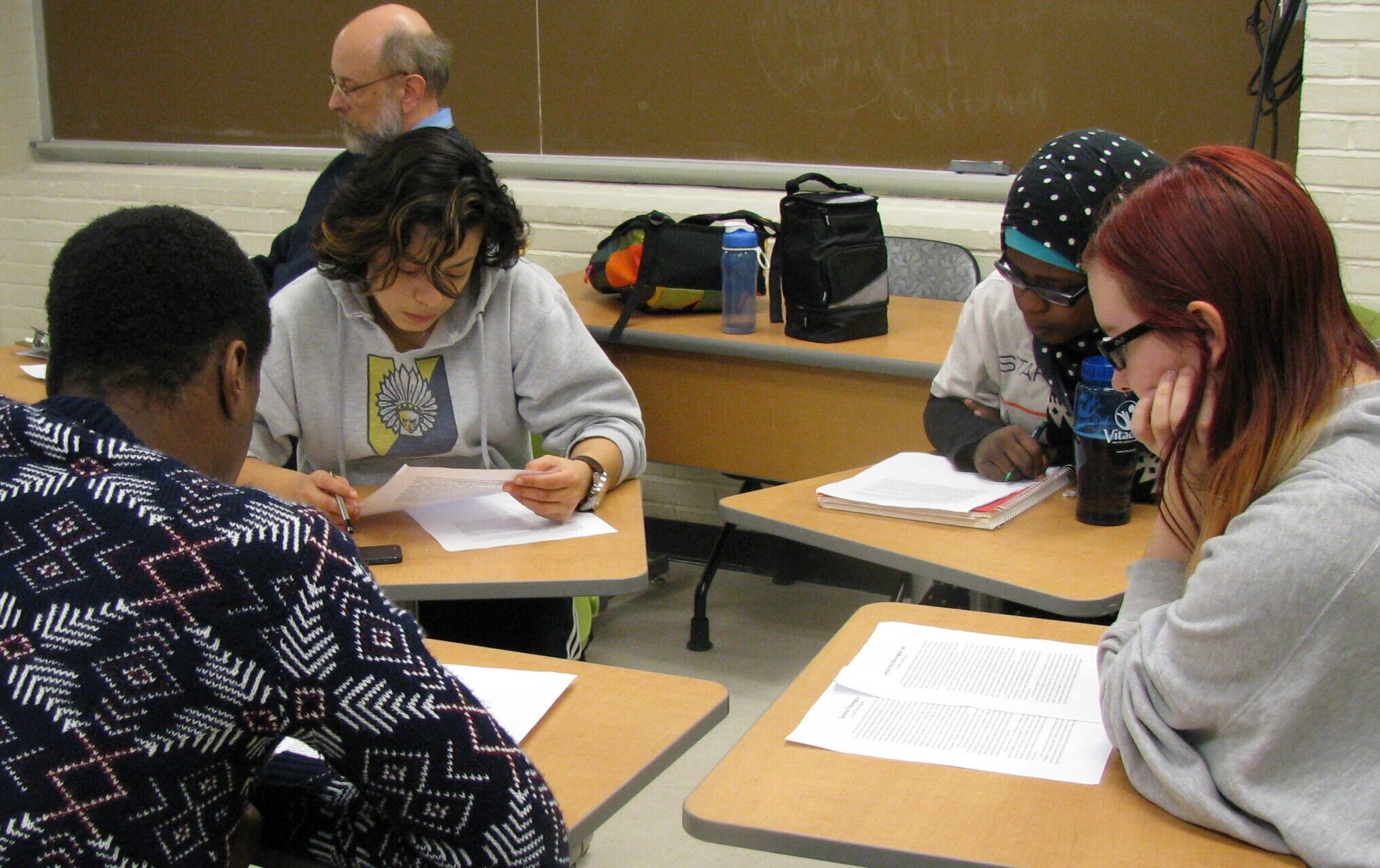
Students in a course called Leader in You, Leader in Us used the Touchstones volume Mapping the Future and took turns preparing and leading the discussions. Students reported significant changes in group dynamics and in their individual growth as participants.
Community Programs Research
Topic
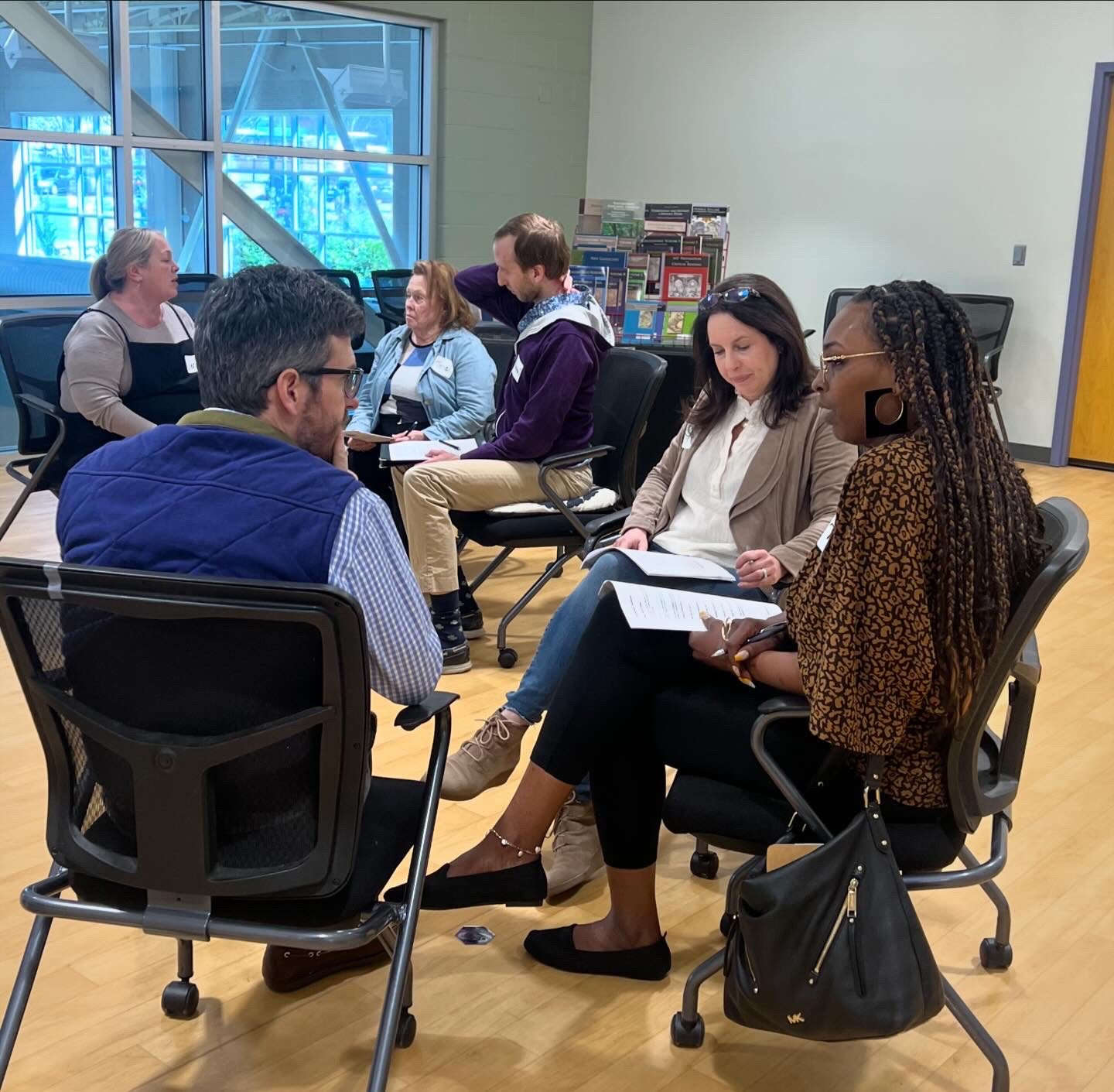
Doctoral research on changes in behavior and interactions after using a short-term Touchstones program at a correctional facility
Merritt, J. C. (1999). Using the Touchstones philosophy discussion curriculum to enhance community among incarcerated men. Doctoral dissertation, University of Virginia.
At a regional jail, 13 male students (teens through adulthood) engaged in a 6-week Touchstones group. After week 3, students demonstrated significant behavioral changes across multiple dimensions.

 Join the